In short
Pigmentation is a patch of skin that looks darker than the skin around it because it holds more melanin. Sun exposure, hormonal changes and inflammation are the most common causes, and a dermatologist can tell which type you have and how it can be treated.
What pigmentation is
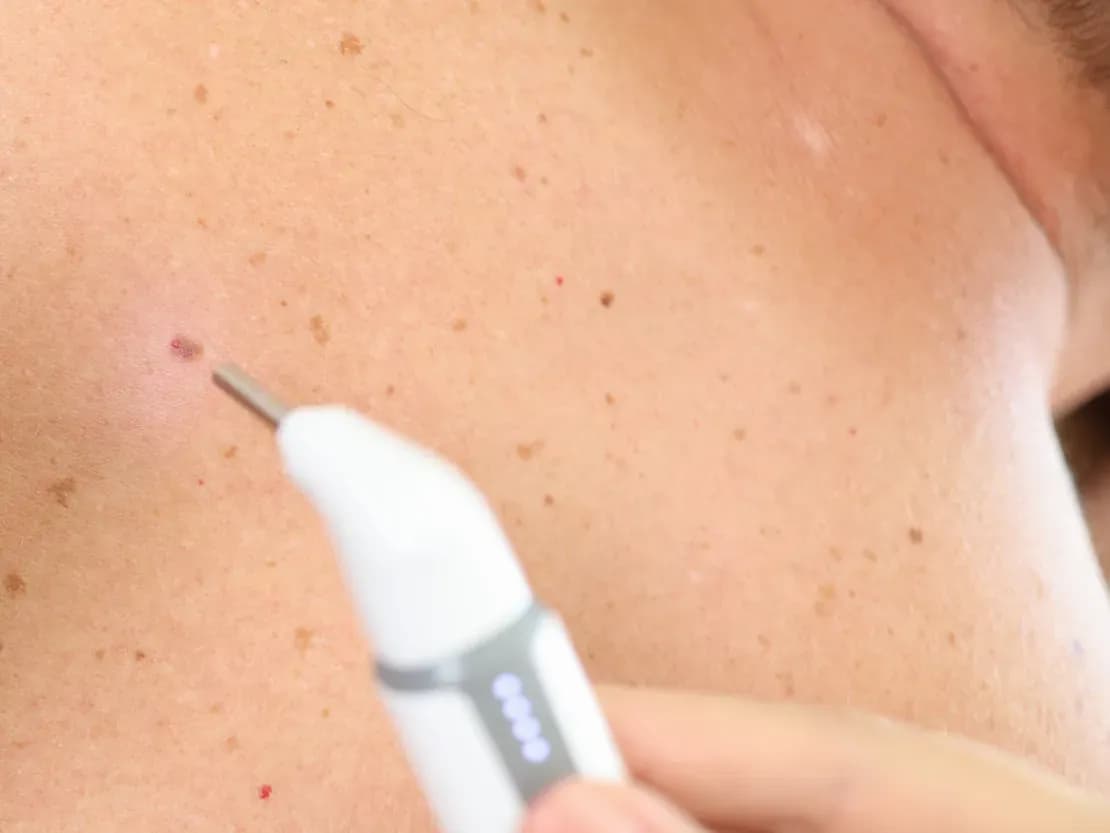
Melanin is the pigment that gives skin its colour. It is made by cells called melanocytes in the outer layer of the skin. When these cells make more melanin in one area, or the melanin settles deeper in the skin, that area looks darker than the skin around it.
Pigmentation is common in Indian skin, which makes melanin readily and tends to darken after sun exposure or irritation. Most patches are harmless, but they can last a long time and can affect how people feel about their skin.
See a doctor promptly if
- A dark spot is new, growing, or changing in shape or colour.
- A spot bleeds, itches or does not heal.
- A patch has uneven edges or several colours.
- The skin on your neck, underarms or other skin folds becomes dark and velvety. This can be linked to blood sugar levels.
Common causes
Pigmentation often has more than one trigger. These are the most common.
Sun exposure
Ultraviolet light makes melanocytes produce more melanin, which is why skin tans. Years of sun exposure can leave sun spots, and visible light, including daylight through windows, can make melasma darker.3
Hormonal changes
Melasma is linked to hormonal changes. It often appears during pregnancy or while taking hormonal contraceptives, and it is more common in women than in men.1
Inflammation and injury
Anything that inflames or injures the skin can leave a dark mark as it heals. This is called post-inflammatory hyperpigmentation. Acne, eczema, insect bites, burns, cuts and harsh cosmetic treatments are common causes, and the marks tend to be darker and to last longer in darker skin.2
Medicines and other causes
Some medicines can darken the skin or make it more sensitive to the sun, and some health conditions can change skin colour. Tell your doctor about every medicine you take, including creams bought without a prescription.
Types of pigmentation
Dermatologists describe pigmentation by its type, because each type has its own causes and responds to different care.
| Type | What it looks like | Common triggers |
|---|---|---|
| Melasma | Brown or grey-brown patches, often on both cheeks, the forehead, the nose or the upper lip | Sun and visible light, hormonal changes, family history |
| Post-inflammatory hyperpigmentation | Flat brown or dark marks where the skin was inflamed or injured | Acne, eczema, insect bites, cuts, burns, harsh treatments |
| Sun spots (solar lentigines) | Small, flat brown spots on the face, the hands and other skin that sees the sun | Years of sun exposure |
| Freckles | Small light-brown spots that darken in summer and fade in winter | Sun exposure and family history |
Melasma
- What it looks like
- Brown or grey-brown patches, often on both cheeks, the forehead, the nose or the upper lip
- Common triggers
- Sun and visible light, hormonal changes, family history
Post-inflammatory hyperpigmentation
- What it looks like
- Flat brown or dark marks where the skin was inflamed or injured
- Common triggers
- Acne, eczema, insect bites, cuts, burns, harsh treatments
Sun spots (solar lentigines)
- What it looks like
- Small, flat brown spots on the face, the hands and other skin that sees the sun
- Common triggers
- Years of sun exposure
Freckles
- What it looks like
- Small light-brown spots that darken in summer and fade in winter
- Common triggers
- Sun exposure and family history
How a dermatologist finds the cause
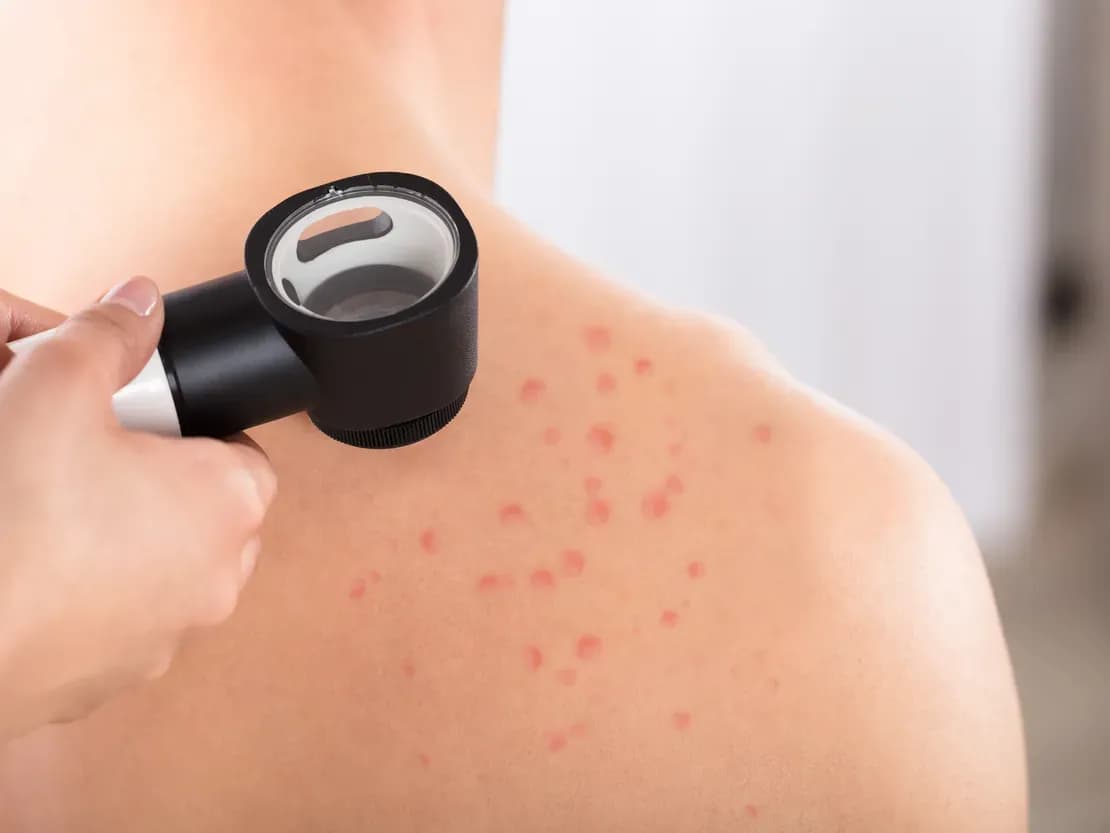
Your dermatologist will ask when the patches appeared, whether they change with the seasons, and about pregnancy, medicines and the products you use. They will then examine your skin, often with a dermatoscope, a handheld magnifier with its own light.
Some clinics also use a Wood’s lamp, an ultraviolet light that shows how deep the pigment sits. Blood tests or a small skin sample are needed only occasionally, when the cause is not clear.
Treatment options
Treatment depends on the type of pigmentation and how deep it sits. Most plans combine several steps, and results usually take weeks to months.
- Daily sun protection, which every other treatment depends on.
- Treating the cause, such as controlling acne or stopping a product that irritates the skin.
- Creams prescribed by your doctor, used exactly as directed.
- Procedures in the clinic, such as chemical peels or laser and light treatments, chosen to suit your skin type.1
Pigmentation, especially melasma, can return after treatment. Your dermatologist may suggest a plan to keep it under control over time.
Looking after your skin at home
A few daily habits help any treatment work better.
- Use a broad-spectrum sunscreen of SPF 30 or more every day, and reapply it every two to three hours when you are outdoors.3
- If you have melasma, choose a tinted sunscreen: it also blocks visible light.
- Wear a hat and stay in the shade in the middle of the day.
- Wash with a gentle cleanser, and do not scrub, pick or bleach the skin.
- Do not use creams that contain steroids unless a doctor has prescribed them. They can thin the skin and make pigmentation worse.
Questions
Is pigmentation harmful?
Most pigmentation is harmless. A spot that is new, changing, bleeding or itching should be checked by a doctor without delay.
Will pigmentation fade on its own?
Marks left by acne or other inflammation often fade slowly over months once the cause is treated. Melasma usually needs treatment and tends to return with sun exposure.
Do fairness creams help?
Creams bought without a prescription may not help and can harm the skin, especially those that contain steroids. Ask a dermatologist before you use any cream for pigmentation.
How long does treatment take?
Most treatments take several weeks to show a change, and some take months. Your dermatologist will review your progress at follow-up visits.
Sources
- Pigmentary disorders in Indian skin: a review. Dermatology journal, 2024.
- Post-inflammatory hyperpigmentation in skin of colour: causes and care. Clinical review, 2023.
- Sun protection and visible light in darker skin types: a consensus statement, 2022.